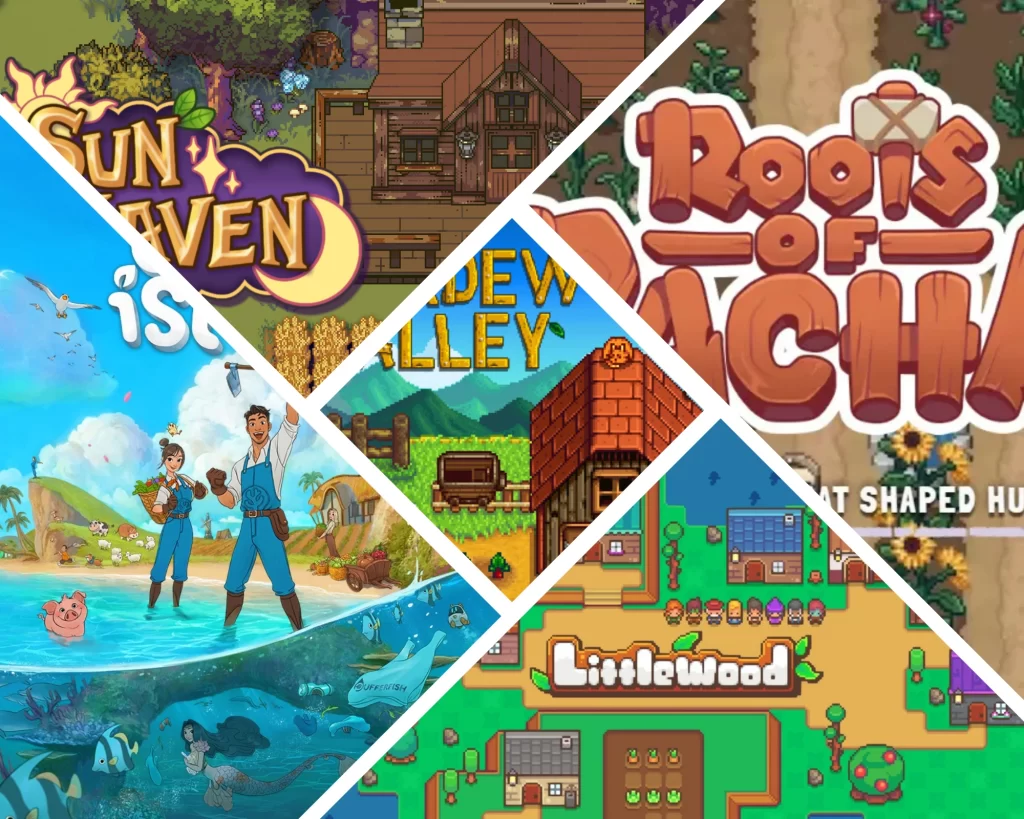
Stardew Valley has become one of those games people do not just enjoy; they end up quietly moving into.
You tell yourself you are only going to sort out a few crops, maybe chat to a couple of villagers, do a bit of fishing, and then suddenly it is far later than it should be and you are emotionally invested in a digital town’s social politics. It is a rare kind of game. One that manages to be cosy, addictive, satisfying and oddly personal all at once.
That is also why finding games like Stardew Valley is not quite as simple as typing “farming sim” into a search bar and hoping for the best.
Some games copy the farming. Some copy the life sim side. Some chase the romance, the daily routines, the little rituals, or the sense of gradually turning a run-down patch of land into something that feels like home. The best ones do not just imitate Stardew Valley, though. They understand what made it stick in the first place, then find their own way of scratching that same itch.
So, if you are looking for the best indie games like Stardew Valley, here are the ones most worth digging into.
The best indie games like Stardew Valley
Fields of Mistria

- Developer: NPC Studio
- Publisher: NPC Studio
- Release date: 5 August 2024
- Platforms: PC via Steam
If you want the game that most immediately feels like it could slide into Stardew Valley’s place in your life, Fields of Mistria is probably the safest bet. It has that same comforting rhythm of farming, relationships, town life and slow, steady progress, but it wraps it all in a slightly softer, more magical atmosphere. It feels familiar very quickly, which is part of its appeal, but never so familiar that it starts feeling like a knock-off.
What really helps it stand out is how warm it is. There is a lovely storybook quality to the whole thing, from the art style to the sense of place. Stardew Valley can be peaceful, but it also has a slight melancholy sitting under the surface in places. Fields of Mistria feels much more openly welcoming. It is the kind of game that seems to want to put you at ease first and let the routine sink its claws in afterwards.
Roots of Pacha
- Developer: Soda Den
- Publisher: Soda Den
- Release date: 25 April 2023
- Platforms: PC via Steam, Nintendo Switch, PlayStation, Xbox
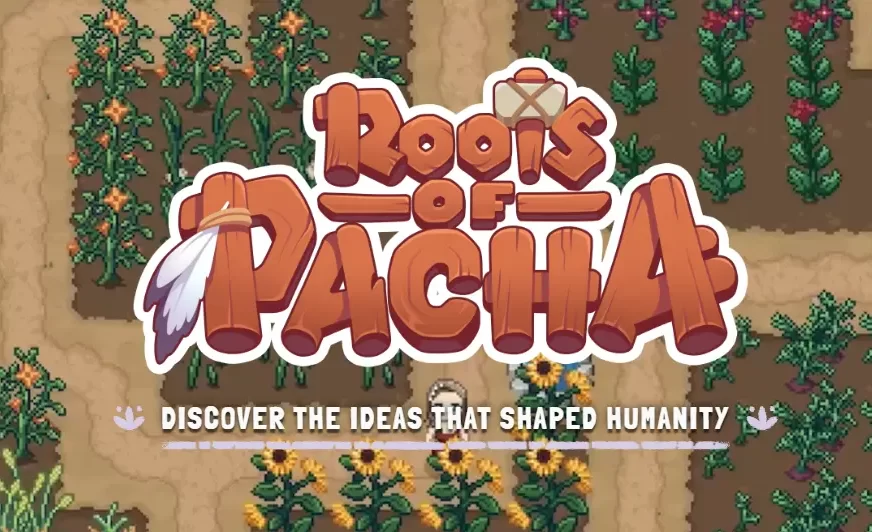
Roots of Pacha is one of the best examples of how to take the Stardew formula and shift it just enough to make it feel fresh again. Instead of inheriting a farm in a sleepy little town, you are helping a Stone Age community grow and evolve together. That means farming is still there, as are relationships, exploration and that lovely “one more day” pull, but the framing makes everything feel less like a rural escape and more like building something meaningful from the ground up.
That communal spirit is what gives it its own identity. Stardew Valley often feels like your personal little world that other people happen to live in. Roots of Pacha feels more collective. More like everyone is slowly moving forwards together, rather than you being the sole person dragging a place into relevance. It gives the whole thing a slightly different emotional texture, and it works brilliantly.
Coral Island
- Developer: Stairway Games
- Publisher: Balor Games
- Release date: 14 November 2023
- Platforms: PC via Steam, PlayStation, Xbox
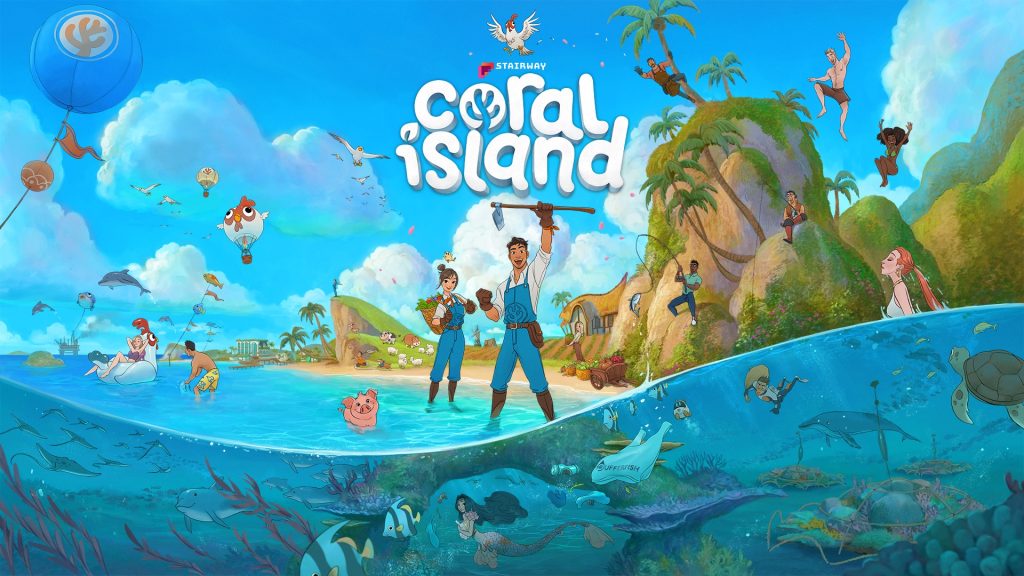
Coral Island is probably the most obvious modern answer to “what should I play after Stardew Valley?” It has farming, romance, fishing, mining, town improvement and all the life sim comforts you would expect, but it presents them with much more modern polish and scale. It is brighter, bigger and a lot more visually lavish, which makes it very easy to recommend to anyone who wants that same basic loop with a shinier coat of paint.
Where Coral Island really separates itself is in how ambitious it feels. It is not content to just be “Stardew, but tropical”. There is a stronger focus on environmental restoration, a bigger sense of place, and a presentation that clearly wants to feel like a proper contemporary step forward for the genre. It is a little less intimate in places because of that, but it more than makes up for it by feeling like one of the most fully realised life sims in this whole space.
Littlewood
- Developer: Sean Young
- Publisher: SmashGames
- Release date: 4 August 2020
- Platforms: PC via Steam, Nintendo Switch
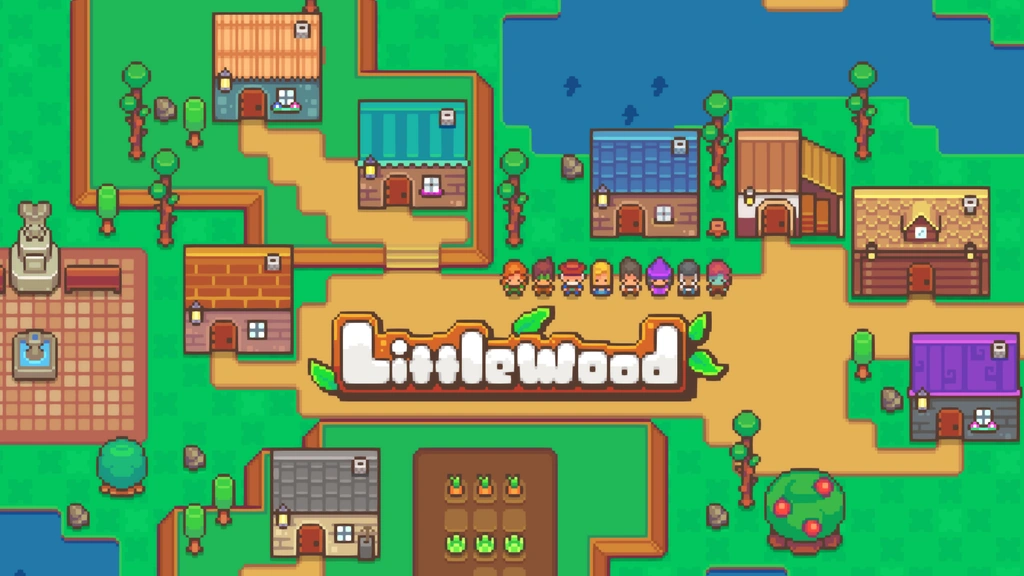
Littlewood has one of my favourite premises in the whole cosy game scene. Instead of throwing you into a grand quest and then asking you to save the world, it starts after all of that. The big heroics are done. The villain has already been beaten. Now you have to deal with the far less glamorous job of actually rebuilding life afterwards. That twist alone gives it a different flavour to Stardew Valley, even though the same loop of gathering, building, chatting and slowly shaping your home is still very much there.
What makes Littlewood so easy to like is how relaxed it feels without ever becoming boring. It is smaller and simpler than some of the other games on this list, but that is part of the charm. It understands that not every life sim needs to be huge to be absorbing. Sometimes you just want something gentle, satisfying and quietly lovable, and Littlewood does that wonderfully.
Sun Haven

- Developer: Pixel Sprout Studios
- Publisher: Pixel Sprout Studios
- Release date: 10 March 2023
- Platforms: PC via Steam, Nintendo Switch
Sun Haven is what happens when the Stardew Valley formula is handed over to someone who thinks, “yes, but what if we added much more fantasy nonsense?” There is still farming, romance, crafting and routine-building at its heart, but this one throws magic, monsters, multiple towns and a whole lot more RPG energy into the mix. It is louder and busier than Stardew, and that is very much intentional.
That extra scale is exactly what makes it stand out. Some people will bounce off that and prefer Stardew’s cleaner elegance, but if you are the sort of player who always wanted a bit more questing, more spells and more chaos layered into your cosy farm life, Sun Haven is probably going to hit very nicely. It feels like the maximalist cousin in the family, and sometimes that is exactly what you want.
Dinkum
- Developer: James Bendon
- Publisher: KRAFTON, Inc.
- Release date: 23 April 2025
- Platforms: PC via Steam, Nintendo Switch
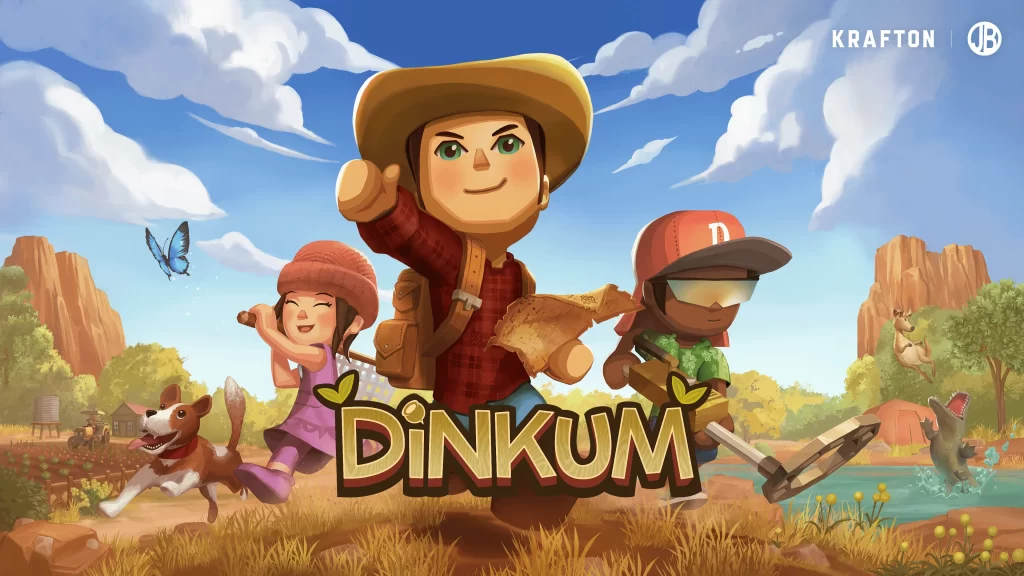
Dinkum sits slightly off to the side of the most obvious Stardew Valley comparisons, but it absolutely belongs in the same wider conversation. Set against an Australian-inspired backdrop, it blends farming, fishing, foraging, crafting and town-building into something that feels a little more rugged and open-ended. It is not quite chasing the same inherited-farm fantasy, but it taps into that same deeply satisfying appeal of gradually building a life from scratch.
What makes Dinkum stand out is that it feels a touch rougher around the edges in a good way. Stardew Valley is cosy almost by default. Dinkum feels like it has a bit more dust on it. A bit more of that “make something out of the wilderness” energy. It is still calm, still easy to sink hours into, but there is a more outdoorsy, self-made flavour to it that gives it its own personality.
Travellers Rest

- Developer: Isolated Games
- Publisher: Isolated Games, IndieArk
- Release date: 28 July 2020
- Platforms: PC via Steam
Travellers Rest is proof that what people love in Stardew Valley is not always the farming itself. Sometimes it is the loop. The feeling of starting with something a bit shabby, slowly improving it, adding systems on top of systems, and getting hooked on that constant low-stakes progress. Instead of a farm, Travellers Rest gives you a tavern. So now you are brewing, cooking, serving guests, decorating the place and trying to turn it into somewhere people genuinely want to spend time.
That tavern angle is what keeps it feeling distinct. It is not just Stardew Valley with a different backdrop. It takes the same sort of compulsion and applies it to a different fantasy entirely. Less watering cans and seasonal crops, more pints, plates and the quiet pride of making your own little place run properly. If that sounds more appealing than farming, it is a very easy recommendation.
Graveyard Keeper

- Developer: Lazy Bear Games
- Publisher: tinyBuild
- Release date: 15 August 2018
- Platforms: PC via Steam, Mobile, Nintendo Switch, PlayStation, Xbox
Graveyard Keeper is the easy recommendation for people who loved Stardew Valley’s structure but would like it to be much weirder, much darker and noticeably more sarcastic. Instead of building up a farm in a sleepy little valley, you are maintaining a medieval graveyard and getting dragged into increasingly questionable little systems in the process. It is less wholesome, more cynical, and has absolutely no interest in pretending otherwise.
That darker tone is what makes it stand out, but under all the corpse-adjacent nonsense is a loop that feels very familiar. Crafting, upgrading, unlocking, optimising and gradually getting on top of a pile of overlapping responsibilities is still the beating heart of it. It just swaps out pastoral charm for deadpan morbidity. Which, depending on your mood, might actually be perfect.
Can any game really replace Stardew Valley?
The truth is, there is no game that perfectly replaces Stardew Valley.
Part of what made it connect so strongly is that it arrived at just the right time, with just the right mix of systems, warmth and routine to become something people folded into their lives. But that does not mean there are not other brilliant indie games circling the same feelings from different directions.
Fields of Mistria is probably the closest straight recommendation. Roots of Pacha and Coral Island both show how much life there still is in the formula when developers put their own spin on it. Littlewood and Travellers Rest prove you do not even need to centre farming to hit that same cosy management sweet spot. And if you want something stranger, Sun Haven, Dinkum and Graveyard Keeper all twist the familiar loop into something with a lot more personality.
So no, you are not going to find a second Stardew Valley.
But you can absolutely find the next game that quietly eats your evenings and makes you say, “just one more day” before suddenly noticing it is half one in the morning.
Looking for more lists like this one for games like Stardew Valley? Click right here.